


 Fill out surveys
 Bulmaca
 Terms of Service
Maintaining Aluminum MIG Wire Quality with Proper Storage Routines
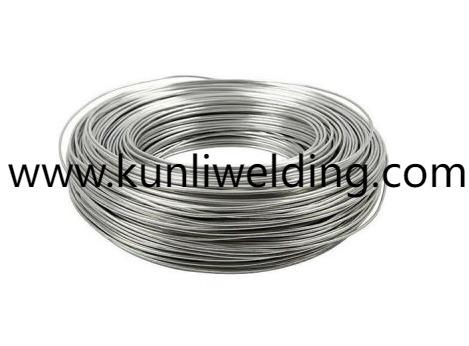
As fabrication shops upgrade for electric vehicle production and modular renewable energy systems, guidance from Aluminum Mig Wire Manufacturers on proper storage has become essential. Exposure to moisture and airborne contaminants can compromise wire quality, leading to weld defects and costly rework. By adopting controlled cabinet environments and disciplined handling routines, shops can maintain consistent MIG wire performance, reduce material waste, and safeguard production timelines even under fluctuating weather patterns and supply chain pressures.
Controlled Humidity and Temperature
Aluminum MIG wire readily absorbs moisture, which introduces hydrogen into the weld pool and causes porosity. Install desiccant dehumidifiers in storage cabinets to maintain low relative humidity levels. Monitor cabinet temperature to stay within recommended ranges, avoiding condensation during seasonal swings. In coastal regions where salt air is prevalent, this preventive step ensures that spools remain dry, protecting battery enclosure welds and solar panel frame assemblies.
Sealed Spool Packaging and Rotation
When spools arrive, leave them in their original sealed packaging until needed. Once a reel is opened, store it in airtight containers with fresh desiccant packs. Label each container with the opening date and rotate stock so that older wire is used before newer deliveries. This first-in, first-out approach prevents extended exposure and helps fabricators uphold weld consistency in high-volume robotic cell operations.
Dust and Particle Control
Fine dust and shop debris can settle on exposed wire and contaminate the weld arc. Designate clean storage zones away from grinding stations and forklift traffic. Use translucent cabinet doors and integrated lighting to inspect spool surfaces without opening containers. Regularly vacuum cabinet interiors and inspect wire ends for visible dust before loading feeders, ensuring that anchor fittings and contact tips remain free of blockage during assembly line welding.
Consistent Spool Handling Procedures
Teach operators to handle spools with clean gloves and avoid touching the wire surface. Mount spools on smooth bore liners sized to the wire gauge to support smooth feeding and minimize birdnesting. Train technicians to check tension settings on drive rolls and liners after spool changes, preserving feeder performance. These routines help reduce downtime in electric chassis weld cells and multi-station renewable energy fabrication bays.
Environmental Monitoring and Alerts
Integrate wireless sensors in storage cabinets to track humidity and temperature in real time. Configure alerts to notify supervisors when environmental conditions drift outside acceptable ranges. Data logging adds visibility to maintenance records and supports continuous improvement initiatives. Fabricators facing extreme weather events—such as heavy precipitation or heatwaves—can rely on automated alerts to safeguard sensitive MIG wire stock against unexpected climate shifts.
Inventory Management and Reordering
Implement an automated inventory system that tracks spool counts and usage rates. Set reorder thresholds that trigger procurement requests before stock levels become critical. Combine this system with supplier portals offered by major manufacturers to streamline order placement and delivery scheduling. When material forecasts align with production plans, shops avoid emergency purchases that often carry expediting premiums.
Training and Documentation
Develop clear work instructions that outline storage cabinet maintenance, desiccant replacement intervals, and environmental monitoring checks. Provide hands-on training sessions and visual guides to reinforce best practices. Encourage operators to document any deviations, such as unexpected moisture events, and record corrective actions. This institutional knowledge reduces variability and ensures smooth ramp-up when new MIG wire batches arrive.
Adopting these best practices for storing aluminum MIG wire not only prevents weld porosity but also extends feeder life and improves overall productivity. For detailed recommendations on handling ER5183 wire and to explore tailored storage solutions, visit www.kunliwelding.com/product/ . There, you can access technical guides, order specifications, and expert support to optimize your welding operations under any environmental condition.

 English
 Arabic
 French
 Spanish
 Portuguese
 Deutsch
 Turkish
 Dutch
Dutch
 Italiano
 Romaian
 Portuguese (Brazil)
 Greek
Greek