


 Anket Doldur
 Bulmaca
 Hizmet Şartları
What Factors Should Guide Alloy Selection For Welding Wire Across Applications
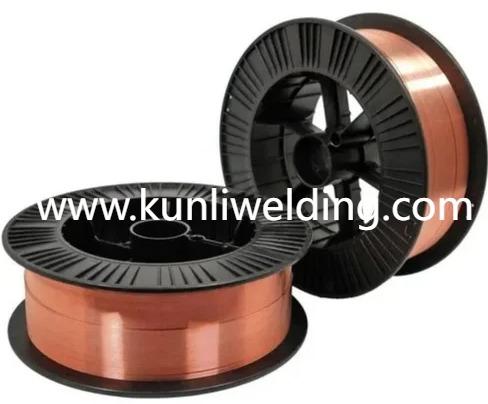
In modern fabrication environments procurement teams confront a crowded market and often ask Aluminum Alloy Welding Wire Suppliers for clear guidance when matching filler metal to base material. The right selection reduces welding iterations, keeps inspection cycles predictable and aligns fabrication practice with maintenance expectations in sectors under rapid change.
Begin by clarifying the mechanical and service requirements that the joint must meet. Specify the load paths, expected strain modes and whether the welded assembly will face corrosive atmospheres or cyclic loading. These performance drivers narrow the choice of filler families and direct dialogue with suppliers toward alloys whose deposit behavior aligns with the application rather than toward a lowest price selection.
Next consider base material chemistry and temper. Aluminum families react differently to dilution heat and post weld thermal cycles. When procurement shares alloy family and temper with suppliers, technical contacts can suggest compatible filler compositions and diameter ranges that produce weld metal with the intended balance between strength and ductility. This upfront transparency shortens qualification runs and reduces wasted spools during trial phases.
Feedability and format matter for practical production. Wire diameter temper and spool format influence how the consumable behaves in your feeders and torches. Communicate your feeder type liner length and drive roll groove to the supplier so recommended spool formats and drive settings are aligned with your hardware. That alignment minimizes feed interruptions and accelerates the transition from trial settings to locked production parameters.
Surface preparation and finishing expectations should be part of the match decision. If parts require anodic finishing painted appearance or specific corrosion protection, validate how the chosen filler interacts with the planned finish. Include representative finishing steps in qualification panels so inspection teams can assess the combined effect of welding and surface treatment. This systems approach helps avoid late stage rework that delays delivery.
Welding procedure and parameter discipline convert material potential into reproducible outcomes. Work with your supplier to document starting windows for current travel speed and torch technique and then run representative coupons that mirror joint geometry and restraint conditions. Record the parameter window that met acceptance and retain batch identifiers so the qualified spool can be reordered and traced during production.
Traceability and supplier documentation are practical risk management tools. Request certificates that tie lot numbers to manufacturing records and that include handling notes. When a performance question arises, being able to trace a spool back to its production record focuses corrective action and limits the number of spools placed on hold. Suppliers who provide clear lot linked data reduce the administrative burden when anomalies appear in the field.
Field logistics and storage considerations influence final choice. If projects involve remote sites or mobile repairs ensure that packaging protects wire surface condition and that the supplier can support staged delivery. Sealed spools and specified storage instructions reduce surface films that create porosity and feed problems, which in turn protects first pass yield in remote repair scenarios.
Operator competence and maintenance practices complete the selection. Even a well chosen filler requires consistent torch presentation, routine liner inspection and calibrated drive rolls to realize the deposit properties validated in trials. Invest in concise workbench guides for parameter windows and in short operator training sessions so process drift does not erode the performance expected by engineering and inspection teams.
When procurement, engineering and production treat filler selection as an integrated process they reduce qualification time and lower the risk of in service surprises. Start with clear service requirements base metal details and feeder configuration and use supplier expertise to validate a reproducible procedure. For product specifications and handling guidance refer to the manufacturer product page at www.kunliwelding.com .

 English
 Arabic
 French
 Spanish
 Portuguese
 Deutsch
 Dutch
Dutch
 Italiano
 Russian
 Romaian
 Portuguese (Brazil)
 Greek
Greek