


 Fill out surveys
 Bulmaca
 Terms of Service
Kunliwelding: When should you choose ER5183 for repair welding projects
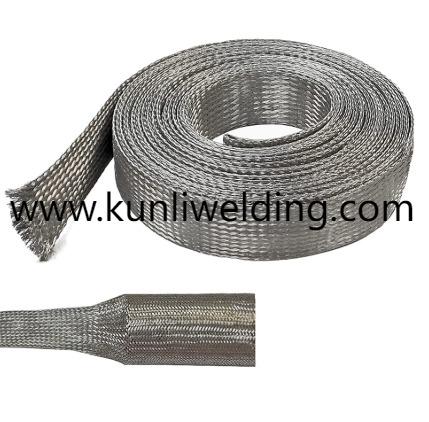
When field teams must restore structural parts quickly and reliably, Aluminum Welding Wire ER5183 is often selected because of its balance of weldability and corrosion performance in many exposed service contexts. Choosing the right filler is only the start; successful repairs require a methodical approach from arrival checks to final finishing if downtime and repeat visits are to be minimized.
Start with simple acceptance at receipt. A coil that shows no obvious packaging damage and carries visible lot marking reduces guesswork. Run a short bench feed test in the actual feeder or torch system you will use and make a sample weld on scrap from the same batch where possible. That immediate check tells you whether feed tension or liner choice needs adjusting and saves time compared with diagnosing feeding failures mid repair.
Joint preparation makes the largest practical difference to repair success. Aluminum builds a thin oxide film that resists fusion. Use a dedicated wire brush and a consistent cleaning method to remove that film near the joint faces. Tight fit up helps too. For gaps, a shorter arc and lower heat input keeps the weld pool controllable and reduces the risk of burn through. Where access is limited, tacks spaced to hold alignment work better than long continuous passes that concentrate heat.
Process choice depends on the repair context. TIG gives fine control over heat and is often the choice for small visible repairs or thin panels where minimal distortion matters. MIG or wire feed processes offer faster deposition for larger patches or where speed is important. For either process manage heat by using a faster travel rhythm or shorter weld sequences so thermal build up is limited. That protects surrounding geometry and reduces post weld straightening work.
Shielding gas and flow stability are straightforward controls that deserve daily attention. A steady gas supply and clean tubing cut down random pores that are otherwise hard to trace in the field. A quick gas check before the first repair of the day is a low effort routine that prevents many intermittent flaws.
Feed path and tooling are practical shop realities. Aluminum wire behaves differently from other metals and benefits from smooth liners and compatible spool adapters. When crews carry spare liners and a couple of adapter sizes they can adapt quickly to different spool types and avoid bird nesting that halts repair jobs. Simple maintenance of drive rolls and spool brakes also saves time during multi job days.
Post weld handling affects service life. For outdoor repairs consider modest mechanical finishing where required and a protective surface treatment that matches the base metal finish. If the environment is coastal or otherwise aggressive, sealing welded surfaces and ensuring coatings extend over the heat affected zone reduces corrosion risk. Controlled cooling after welding helps reduce residual stresses in sensitive assemblies.
Documentation and traceability speed later decisions. Photograph the repair, record coil lot marking, and log the parameters used during the fix. That record pays back if a follow up inspection is needed or if a similar repair is performed elsewhere. When vendors publish suggested starting parameters and handling notes, incorporate those into the repair log so future teams can reproduce successful settings.
Training and short procedural checklists keep field crews aligned. Brief refresh sessions on cleaning technique, gas checks and feed setup prevent small operator differences from becoming repeated defect patterns. Pair training with a short pilot test whenever a new coil arrives on site so replacement spools do not extend the qualification time.
Supply chain and maintenance planning are part of current industry discussion. With repair windows sometimes constrained, choosing a supplier that protects spool condition in transit and provides handling guidance helps teams move from receipt to repair without long setup delays. When procurement and maintenance agree on minimal acceptance checks and a staged pilot release for larger batches, repair programs maintain momentum without added risk.
If you want product notes and practical handling guidance to shape your repair checklist and pilot tests, supplier resources and technical pages are helpful. For product details and application advice related to ER5183 consult the technical material available at www.kunliwelding.com which includes product pages and practical notes you can adapt for field repair planning and shop level acceptance routines.

 English
 Arabic
 French
 Spanish
 Portuguese
 Deutsch
 Turkish
 Italiano
 Russian
 Romaian
 Portuguese (Brazil)
 Greek
Greek